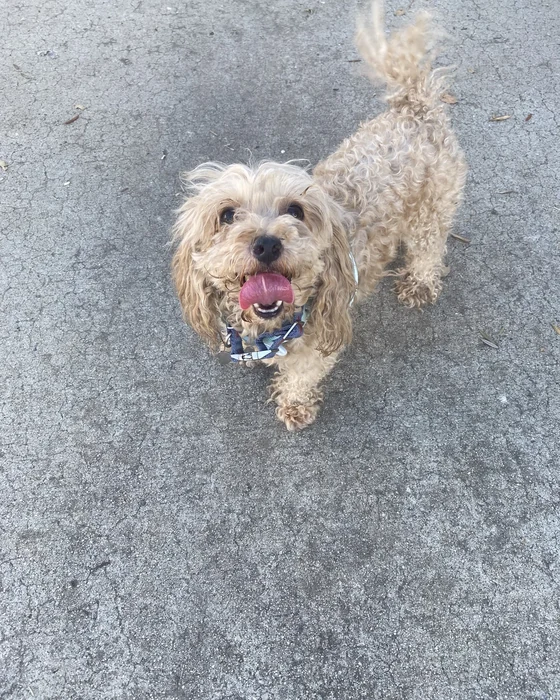
A cream poodle mix looks up from a concrete yard.
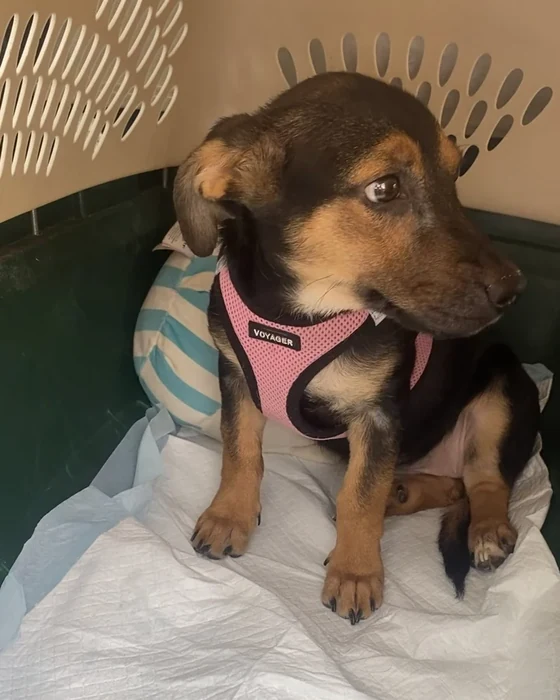
A black and tan puppy in a pink harness sits on a white blanket.
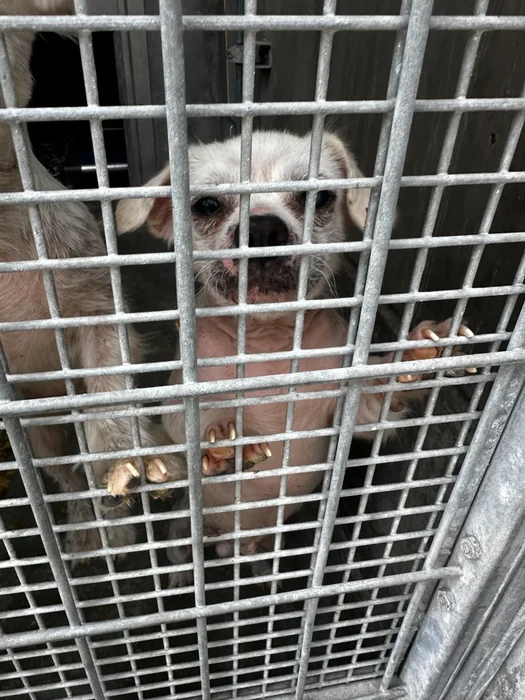
A small scruffy dog presses against the wire mesh of a shelter kennel.
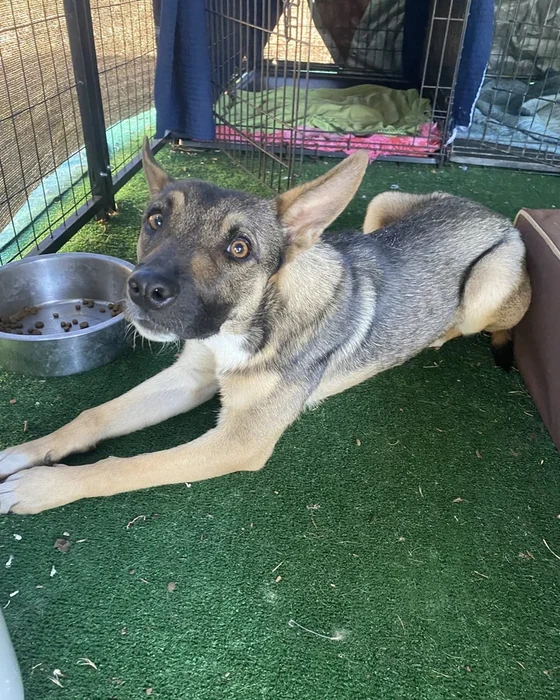
A shepherd mix lies stretched out on turf beside a steel bowl.
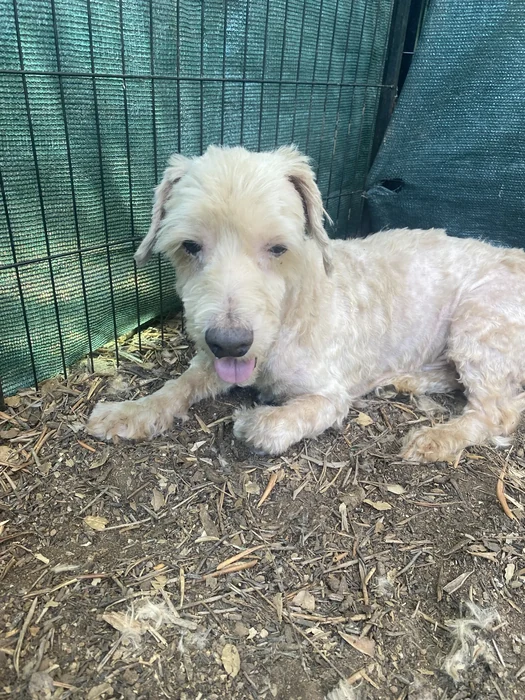
A white shaggy dog lies on bare soil beside a shaded pen.
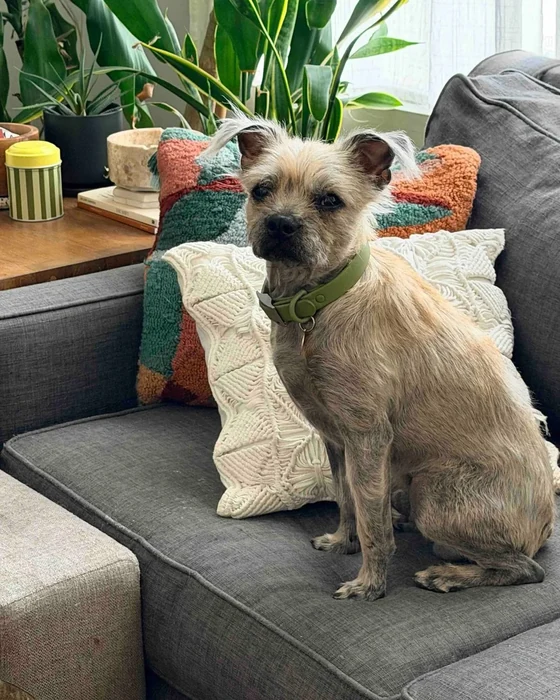
A short coated tan dog sits on a grey sofa between cushions.
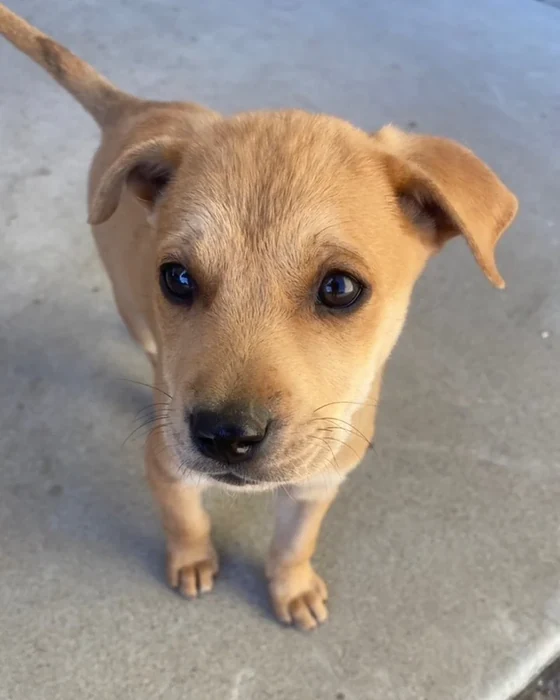
A tan puppy on a concrete patio looking straight up.
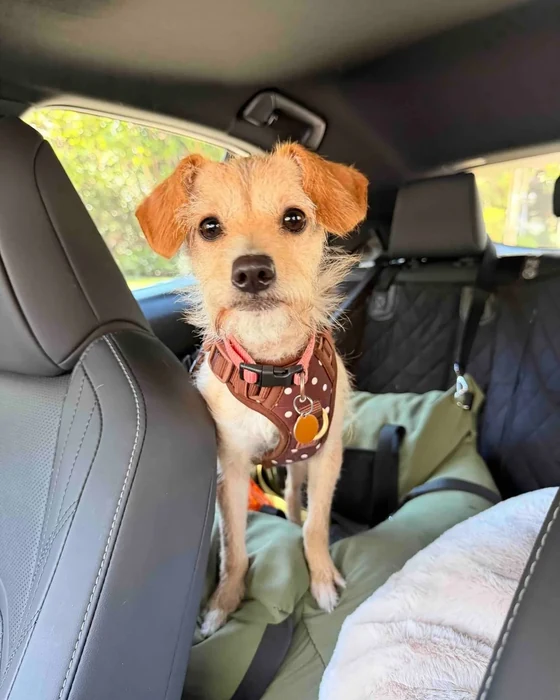
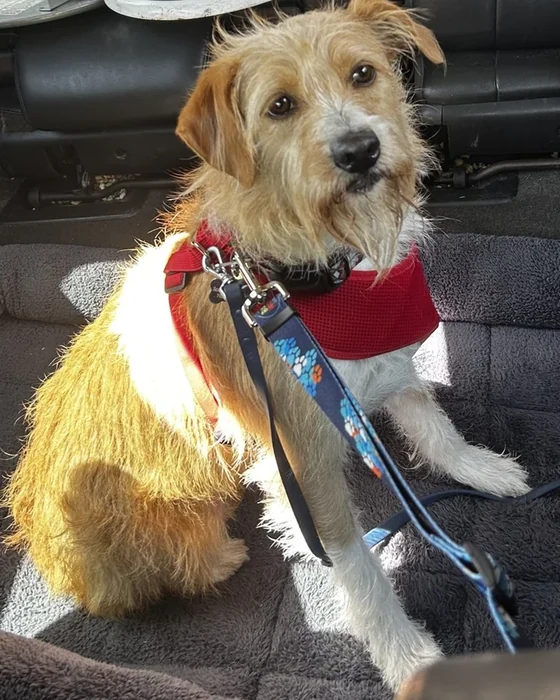
A terrier mix in a harness sits upright on a car seat.
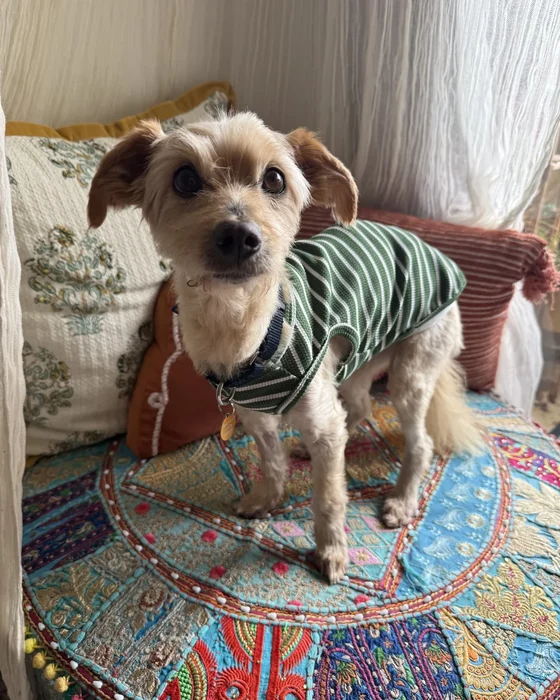
A wiry tan dog in a striped shirt stands on a patterned rug.
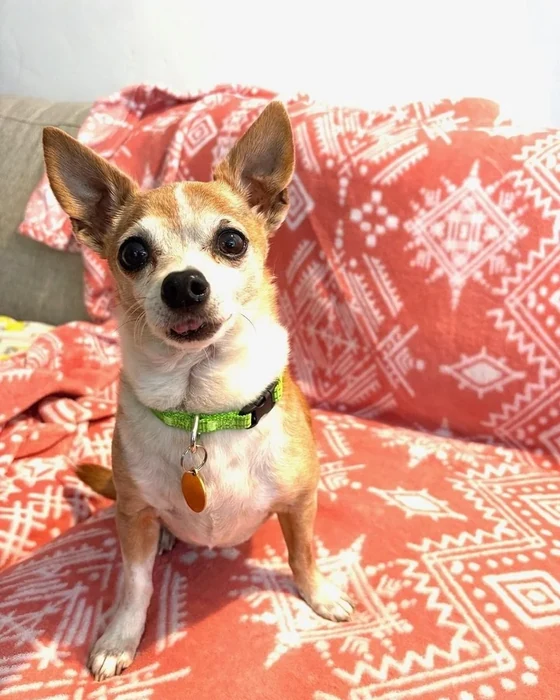
A tan and white chihuahua sits on a red patterned blanket.
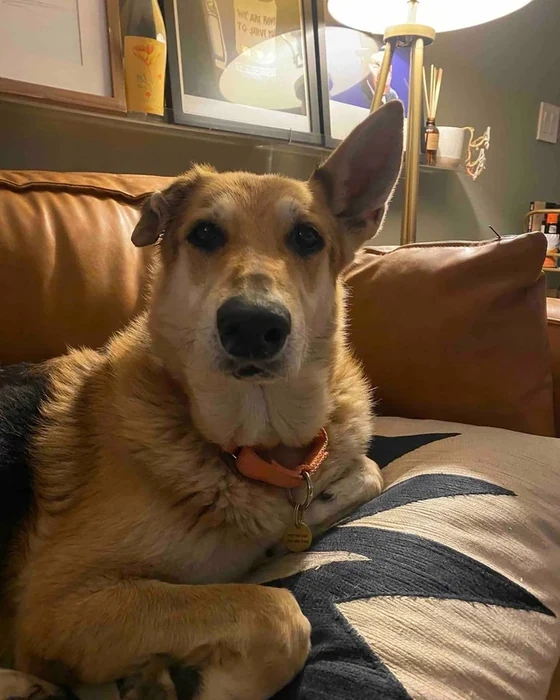
A shepherd mix lies on a striped cushion on a leather sofa.
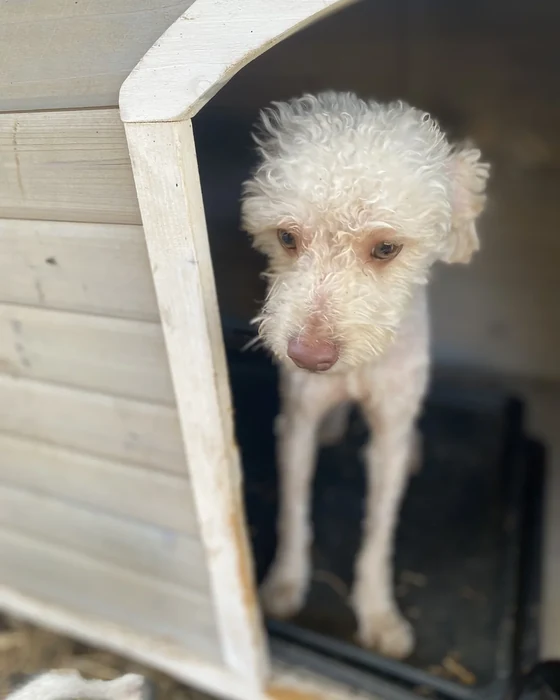
A shaggy white dog stands in the doorway of a wooden kennel box.
A wiry cream dog in a bandana sits on a dark sofa in sunlight.
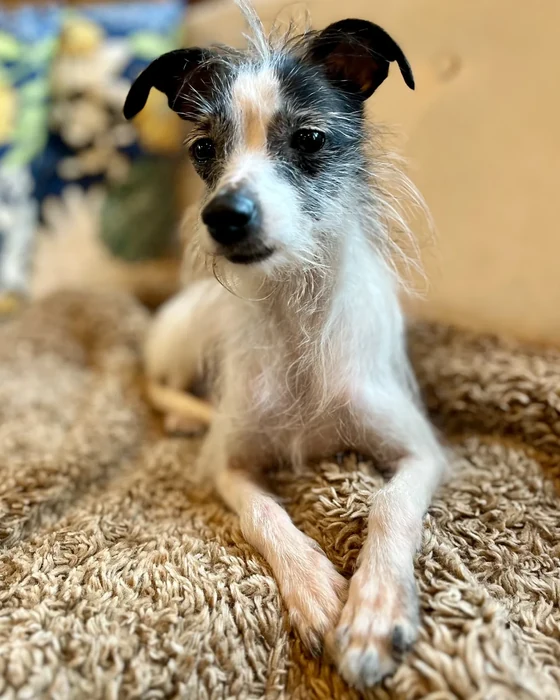
A black and white wire haired dog lies on a cream shag rug.
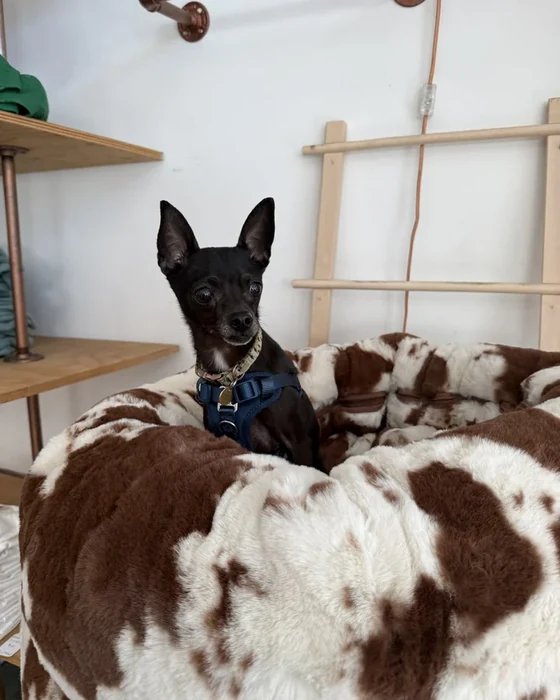
A black dog stands on a patterned bed beside a wooden shelf.
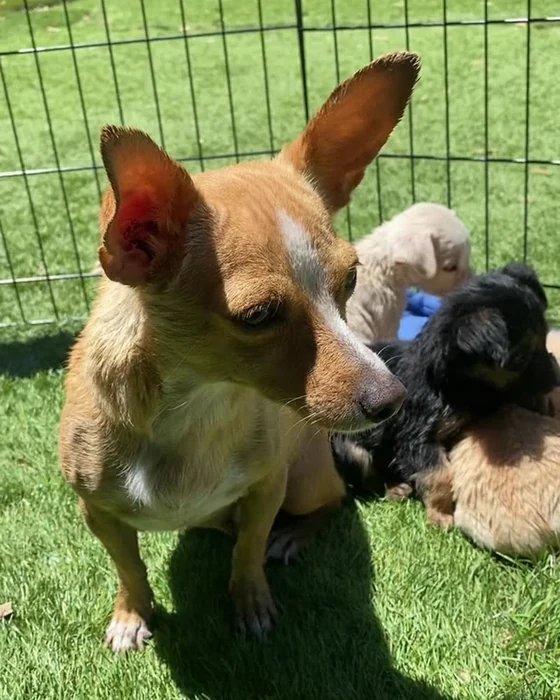
A chihuahua mix stands on grass inside a wire pen, puppies behind her.
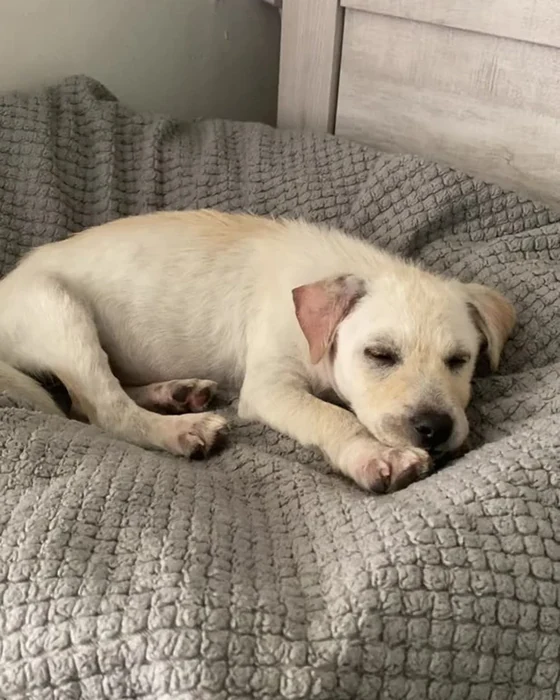
A cream puppy sleeps curled on a textured dog bed.
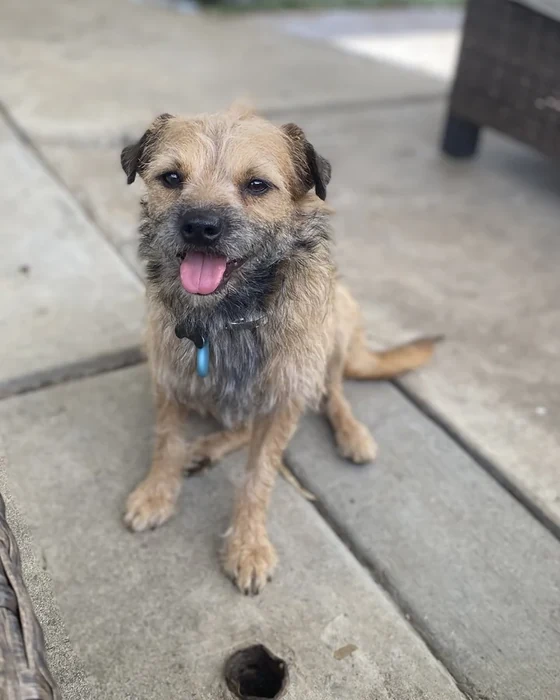
A scruffy tan terrier stands on a wooden deck.
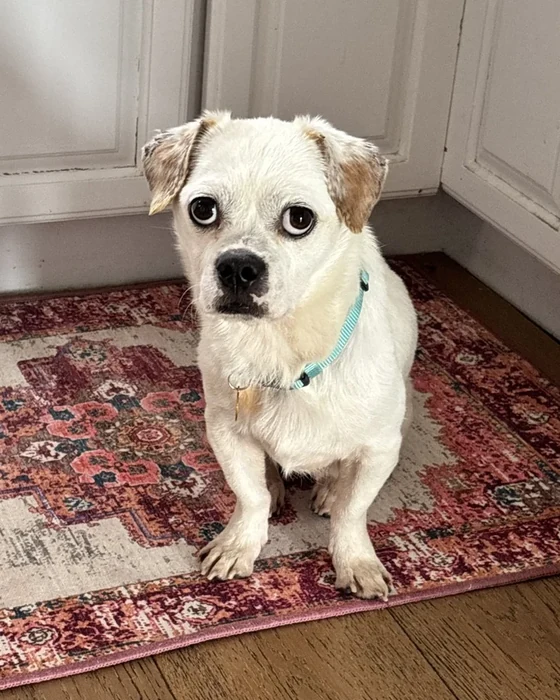
A small white dog sits on a red patterned rug beside a panelled door.
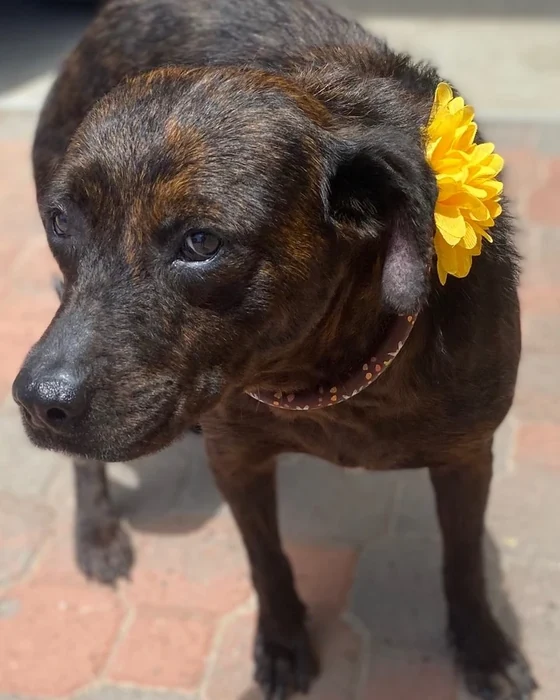
A brindle dog with a fabric flower on its collar stands on a brick patio.

Asylon puts smarter capital behind proven rescues to move more dogs from danger to safety.

Asylon is a 501(c)(3) foundation built from experience on both sides of rescue: inside the day-to-day work, and across years of funding it. We identify and rigorously vet proven rescue organizations, then deploy grants against clear strategic goals so more dogs can move from danger, through the care they need, and into lasting homes.

Getting to safety is just the beginning.

Getting a dog out of danger is the first critical step. What follows can mean treatment, surgery, recovery, foster care, and time before the right home is found. Our funding helps carry that journey forward, so dogs are not simply moved to safety, but supported through what comes next.

1

Getting to safety

Transport, a safe place to stay, and immediate attention help rescue partners bring a dog out of danger and into care.

2

Understanding what’s needed

Veterinary examinations and diagnostic tests help establish what is wrong, how urgent it is, and which care will help.

3

Making treatment possible

From medication and dental work to surgery, funding helps partners act on a treatment plan suited to the dog’s needs.

4

Giving recovery time

Follow-up appointments, nutrition, and daily care in a foster home help a dog heal, regain strength, and begin to feel secure.

5

Finding the right home

Rescue partners consider each dog’s health, temperament, and needs to find a suitable adopter. Care continues while they work toward the right match.

Two matted cream poodles sit behind the wire door of a crate. A thin dog lies on a mat while a gloved hand steadies its shoulder. A small terrier in a clear recovery cone stands on a round cushion. A senior chihuahua with clouded eyes sits upright on a soft bed against a yellow wall. A small dog stands on a wooden floor in a living room, bookshelves behind.

A home can take time. Care can’t wait.

Rescue rarely goes exactly to plan. Needs change. Recovery takes longer. A routine case can become surgery. We stay close to the work and provide additional support when circumstances change, so our partners can respond to the dog in front of them.

The standard of care comes first.

Plan ahead

Knowing what support is available helps a rescue balance current commitments with the next dogs it has the capacity to help.

Respond as needs change

New information can change a care plan. An ongoing relationship gives us the context to reassess the need and consider further support.

Allow time for care

Recovery and finding the right home can take time. Continued support helps partners make decisions around the dog’s progress and needs.

What better funding makes possible in the hands of the right rescues.

The rescues do the rescuing. We help make more of it possible. These are a few of the dogs whose care Asylon has helped fund, from danger through care and toward home.

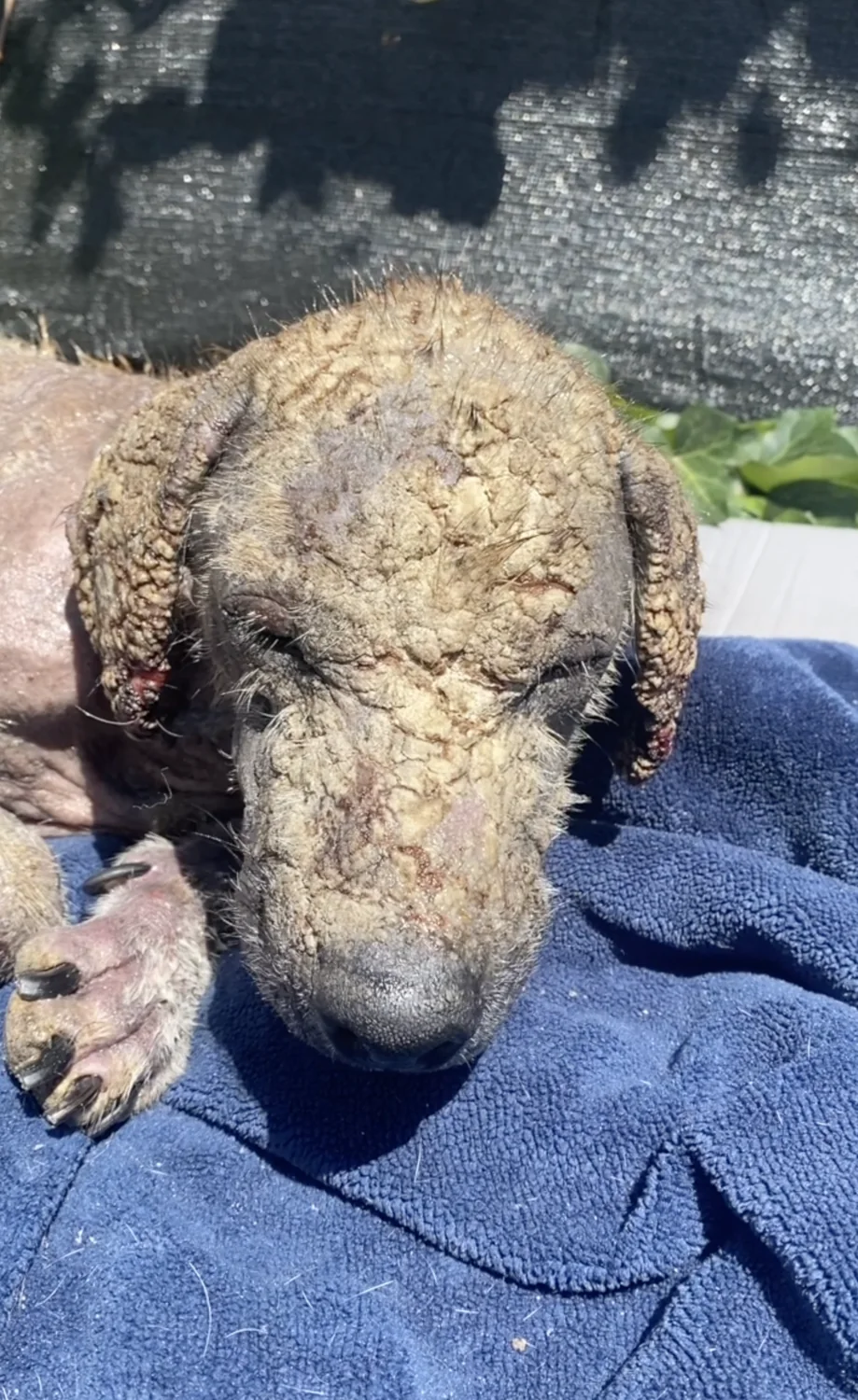
A nearly hairless dog with thick crusted skin rests on a folded blue towel.
BEFORE
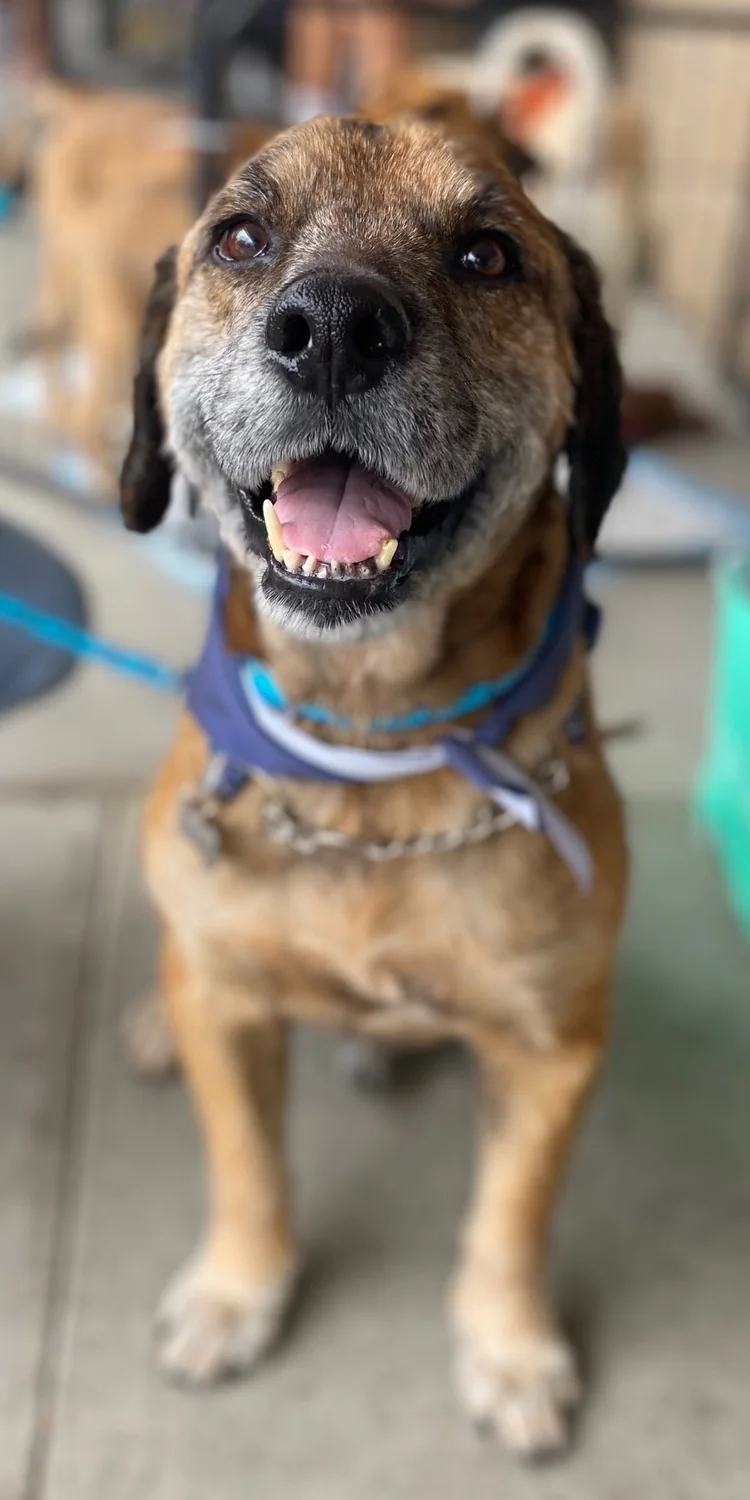
The same dog with a full brindle coat and a blue bandana, outdoors on a path.
AFTER

Belvedere

Adopted

When Belvedere arrived at Soulmates, there was almost no dog left to see. Months of neglect had buried him beneath raw, thickened skin, open infection, and hundreds of ticks. Asylon funding gave specialists the time and treatment to bring him back. His coat is returning. His body is healing. Today, that gentle dog has found his forever home.
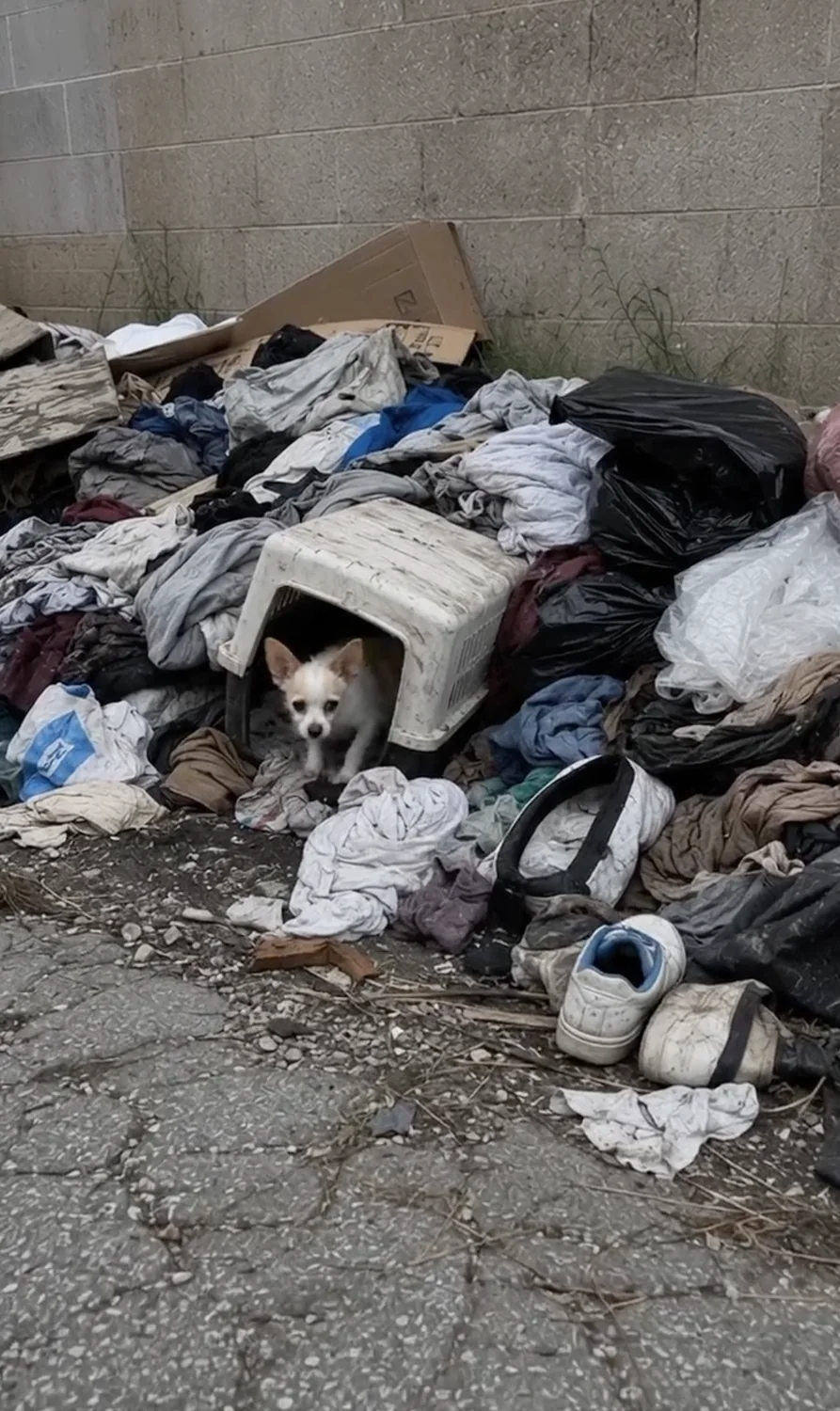
A small pale dog sits inside a discarded plastic carrier on a heap of dumped clothing beside a wall.
BEFORE
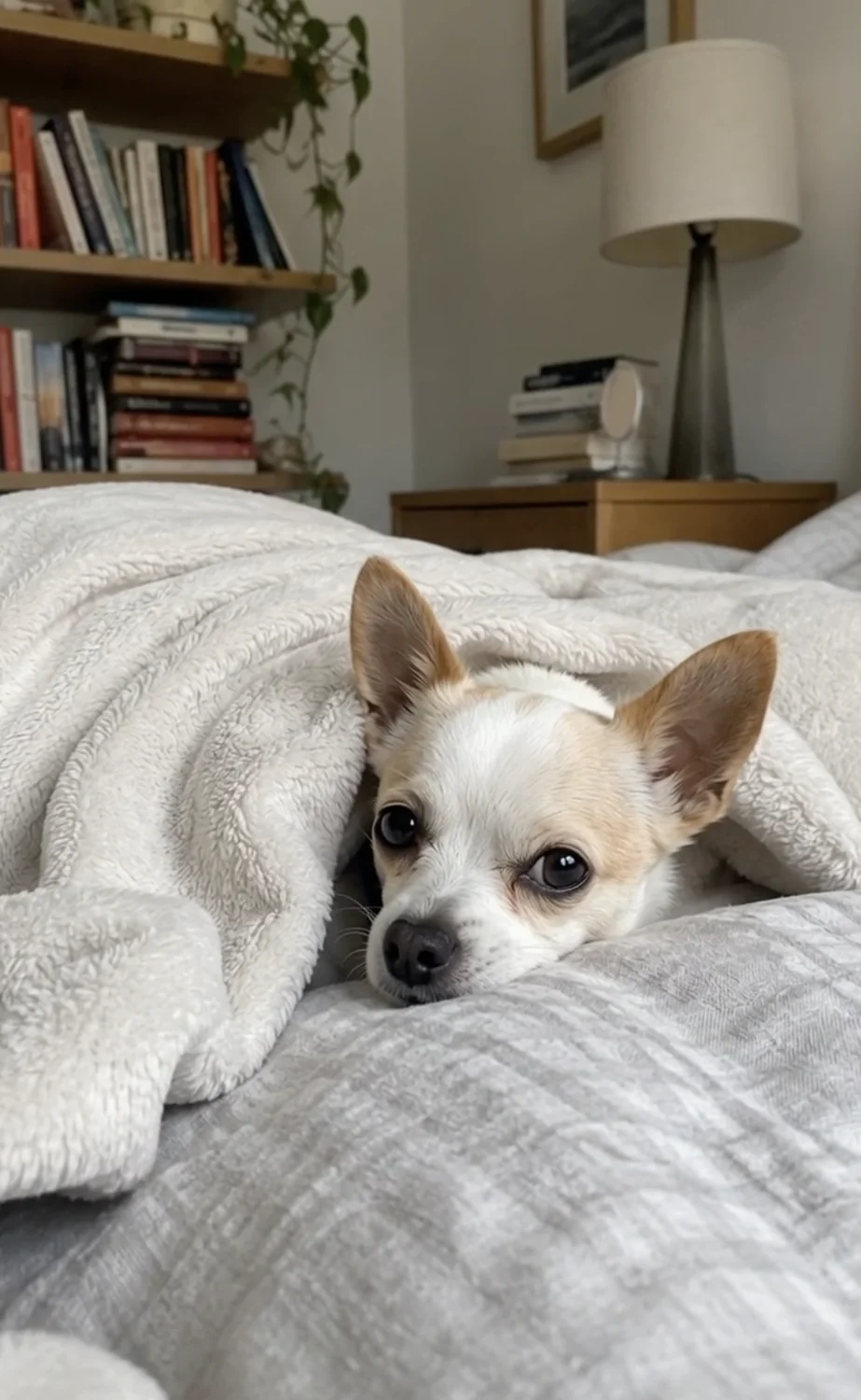
The same dog lying on a pale blanket on a bed in a living room.
AFTER

Frogger

Adopted

Frogger was found trembling in a pile of discarded mattresses and broken furniture in Frog Town, where someone had thrown him away. A couple out walking spotted him, carried him to safety, and brought him to May Day Rescue that same day. With Asylon funding, Frogger received medical care, surgery, dental treatment, and a foster home where he could recover. Twenty-five days later, he was adopted. Today he is healthy, loved, and thriving, a small dog once discarded who turned out to be someone’s treasure.

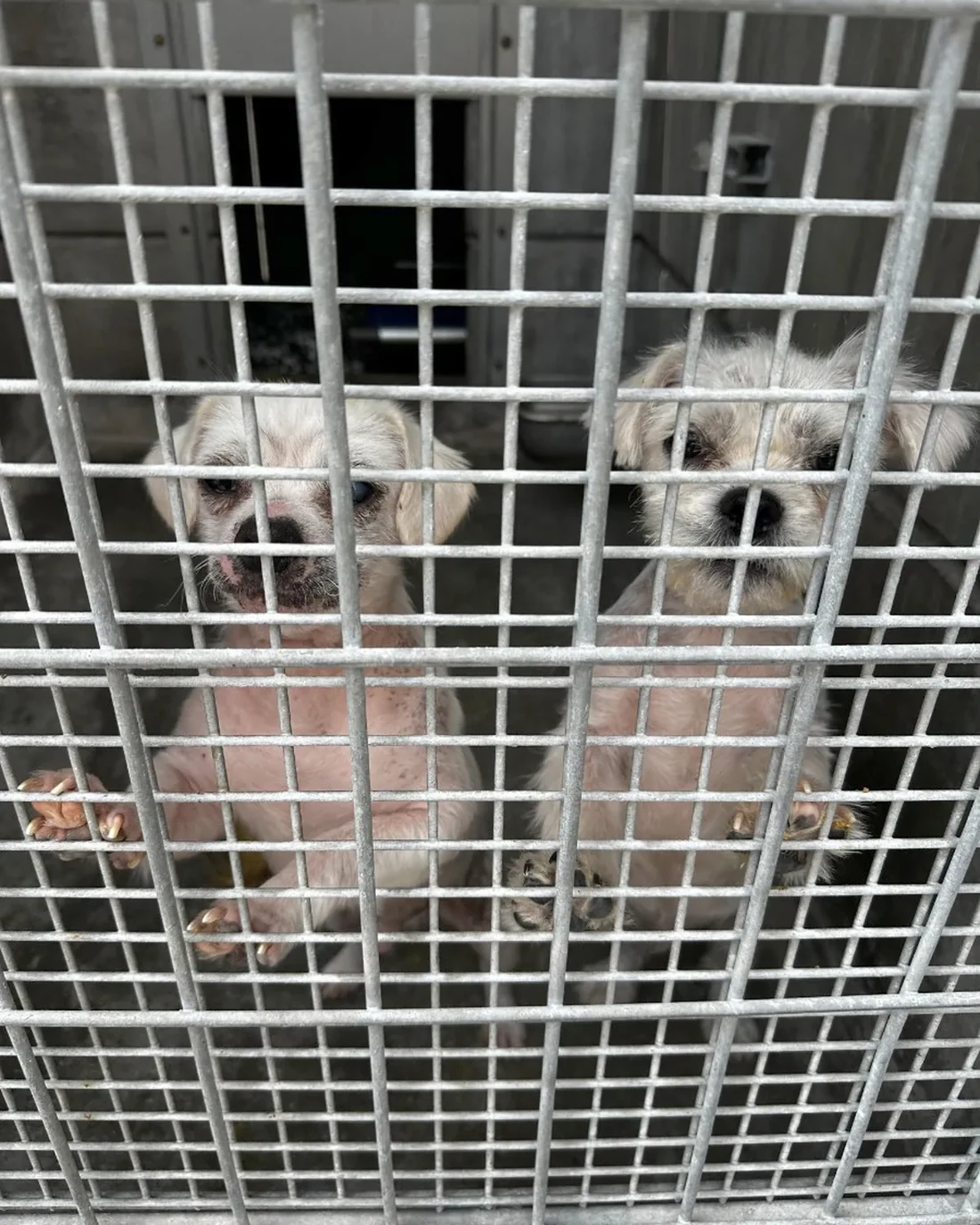
Two small light-coated dogs stand behind the wire mesh of a shelter kennel.
BEFORE
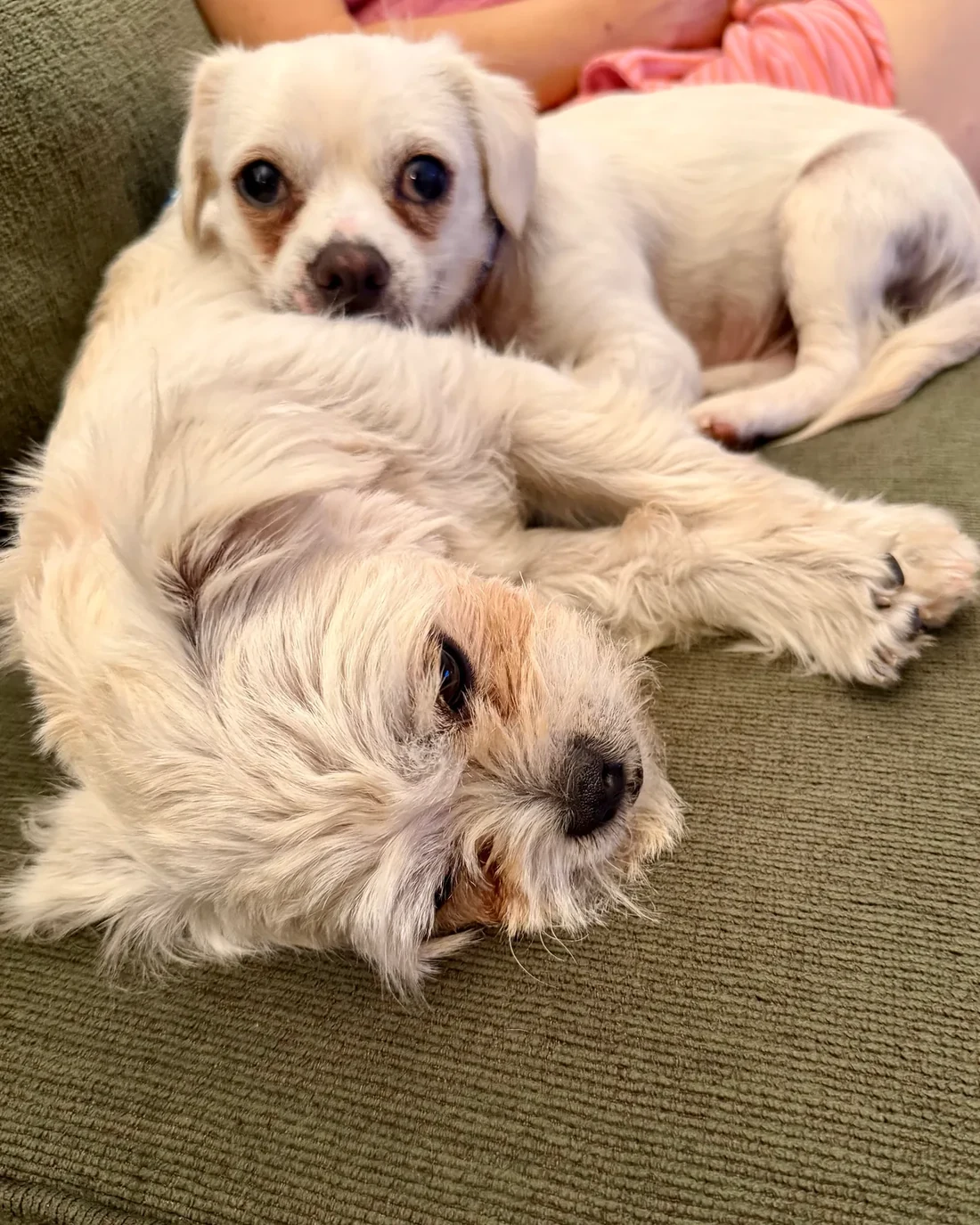
Three light-coated small dogs lie together on a sofa.
AFTER

Taters and Goalie

Adopted, together

Taters and Goalie, two Shih-Tzu mixes, were out of time in an overcrowded city shelter that euthanizes for space. MaeDay got them out and did the work that comes after: the vets, the fosters, the waiting. Asylon funding paid for all of it. It ended with one family, one couch, and both dogs on it. The dogs the shelter had no room for now have a room of their own.

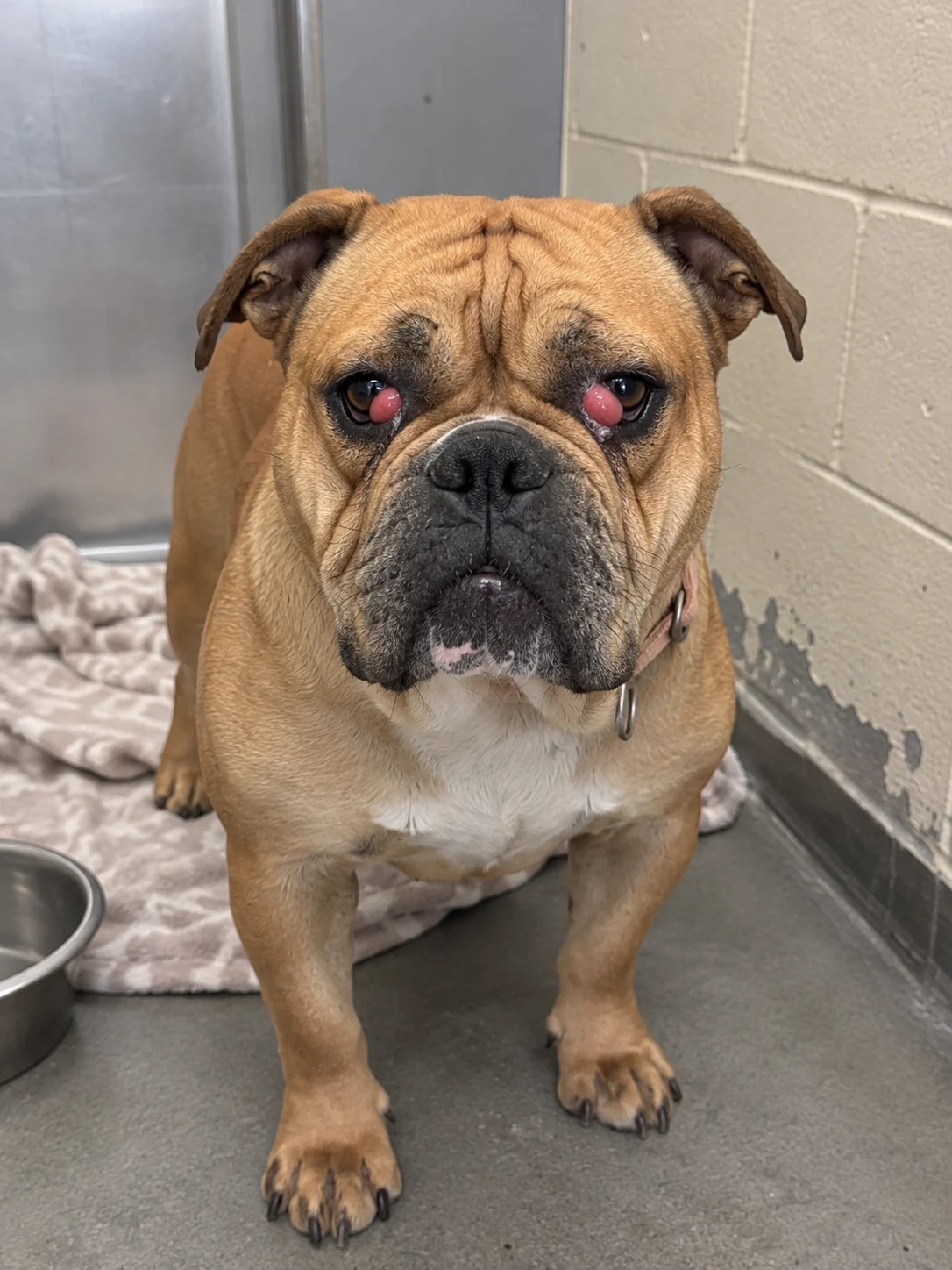
Vicki standing indoors beside a grey wall.
BEFORE
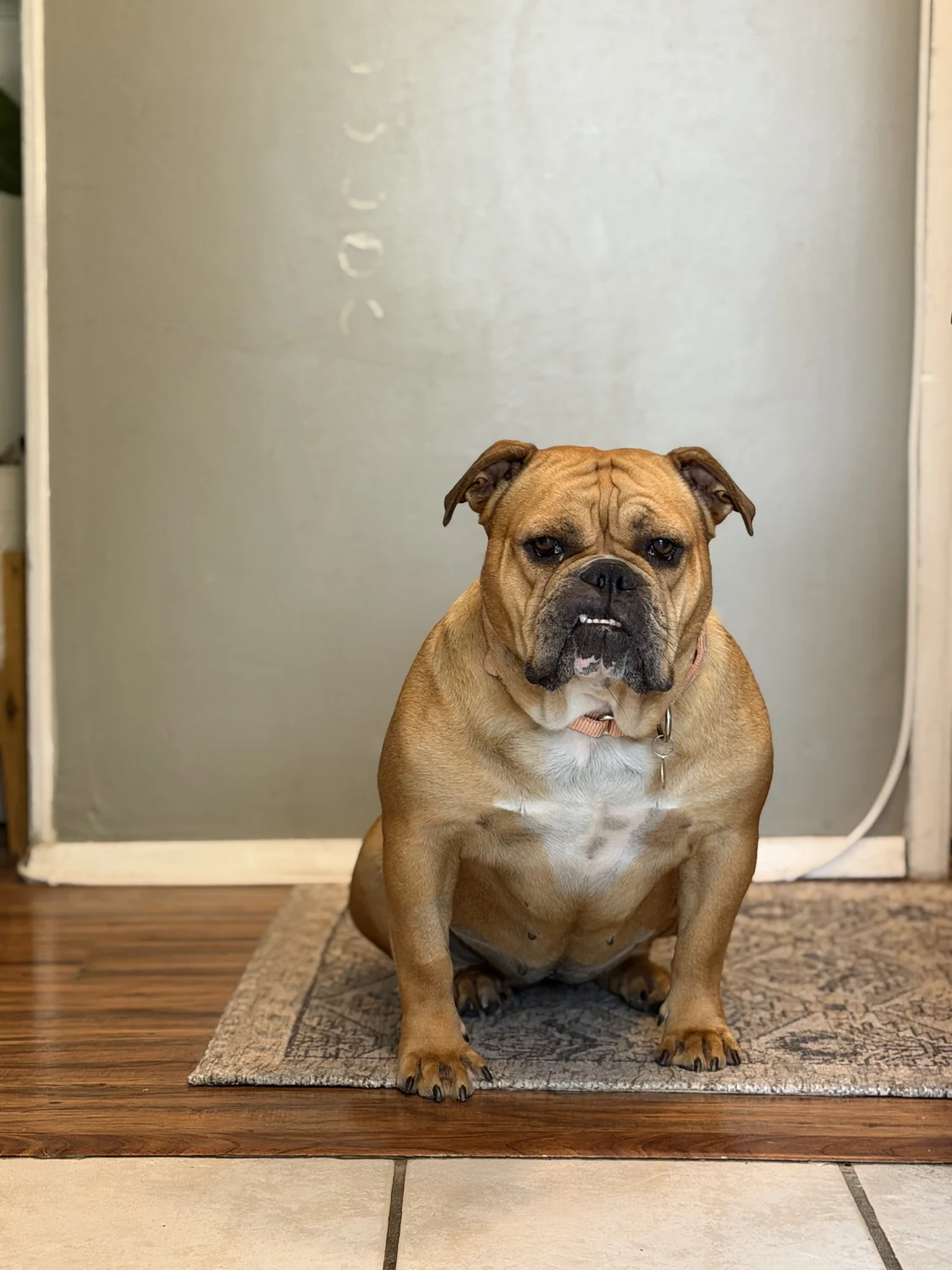
Vicki sitting on a patterned mat indoors.
AFTER

Vicki

Adopted

Five-year-old Vicki sat in a crowded South LA shelter with both eyes painfully swollen and almost no time left. MaeDay pulled her before the system gave up on her, and Asylon funded the surgery that repaired both eyes and completed her spay. Today, the little Bulldog whose life had been reduced to a deadline wakes safe, comfortable, and deeply loved in the forever home she nearly never reached.

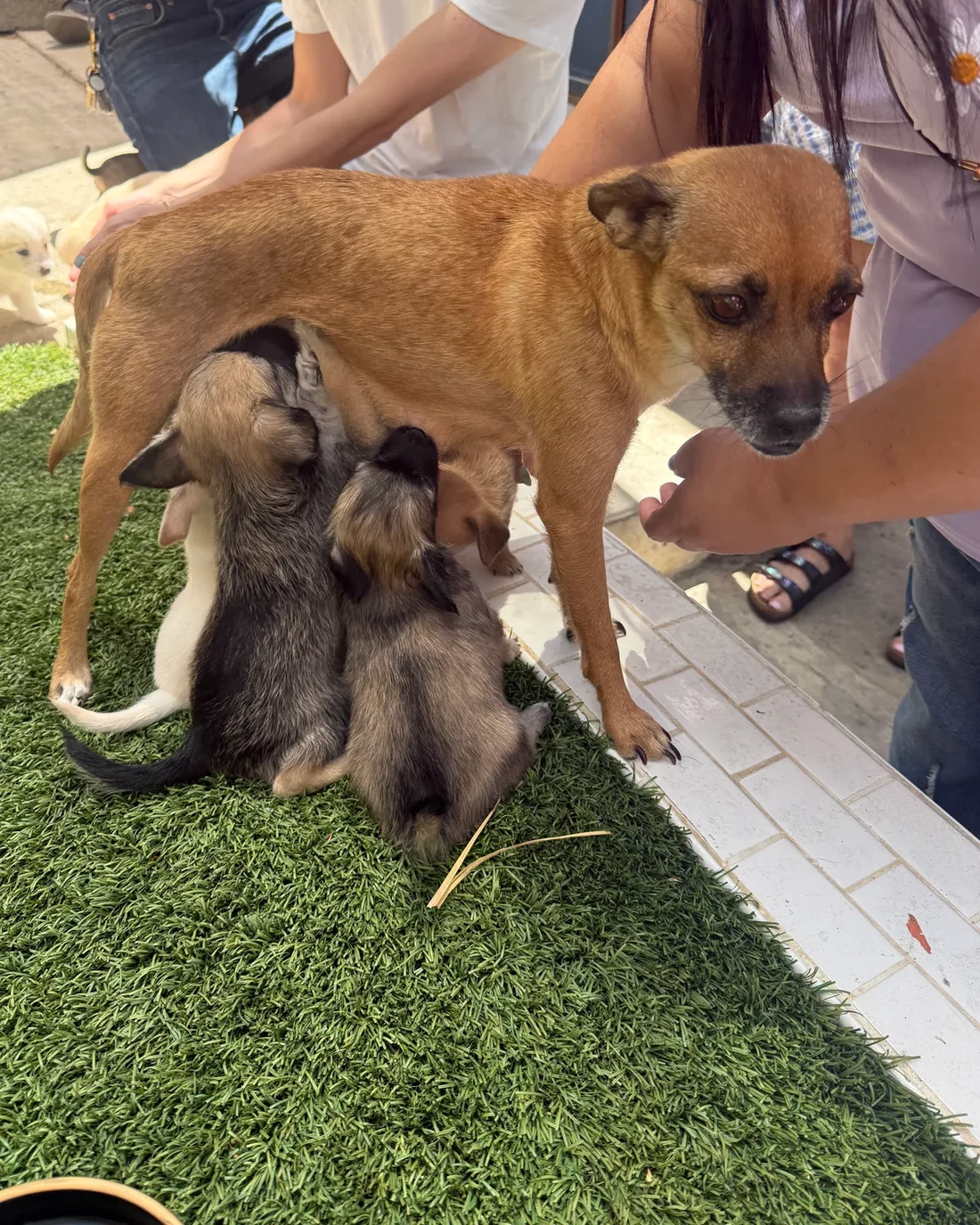
A thin tan dog stands on turf while three puppies nurse.
BEFORE
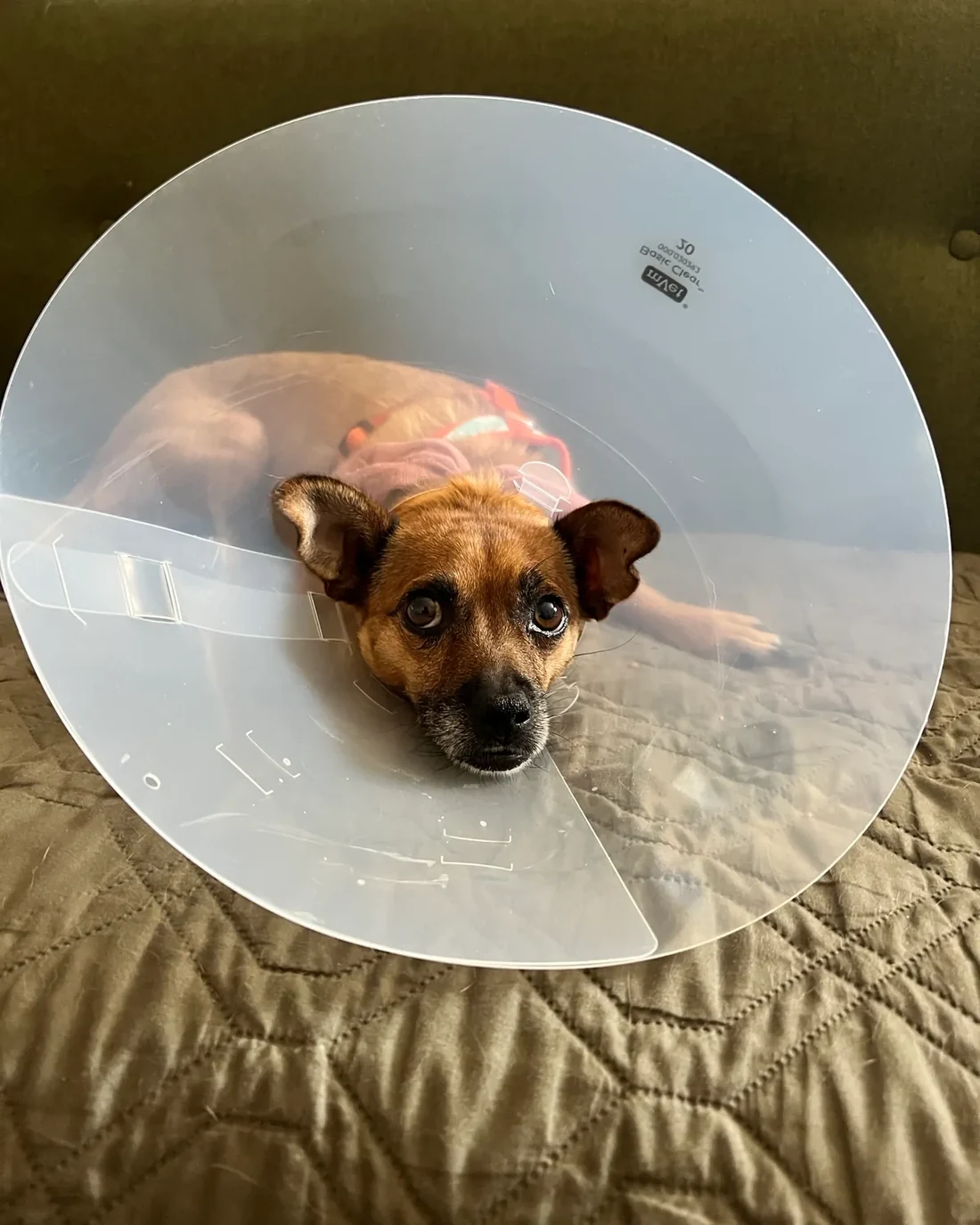
A tan dog rests on a green quilt wearing a clear recovery cone.
AFTER

Nyla

Still waiting for her own home

A family spotted Nyla on a desert street in 110 degree heat, heavily pregnant and alone. Nine puppies came within days, born indoors instead of on that pavement. MaeDay took mother and litter together, split the nine across three fosters, and Asylon funding covered every one of them. Inside five weeks all nine were adopted. The last home left to find is Nyla’s.

Fabiana standing on concrete beside a wall.
BEFORE
Fabiana standing on grass in a yard.
AFTER

Fabiana

In foster care, recovering

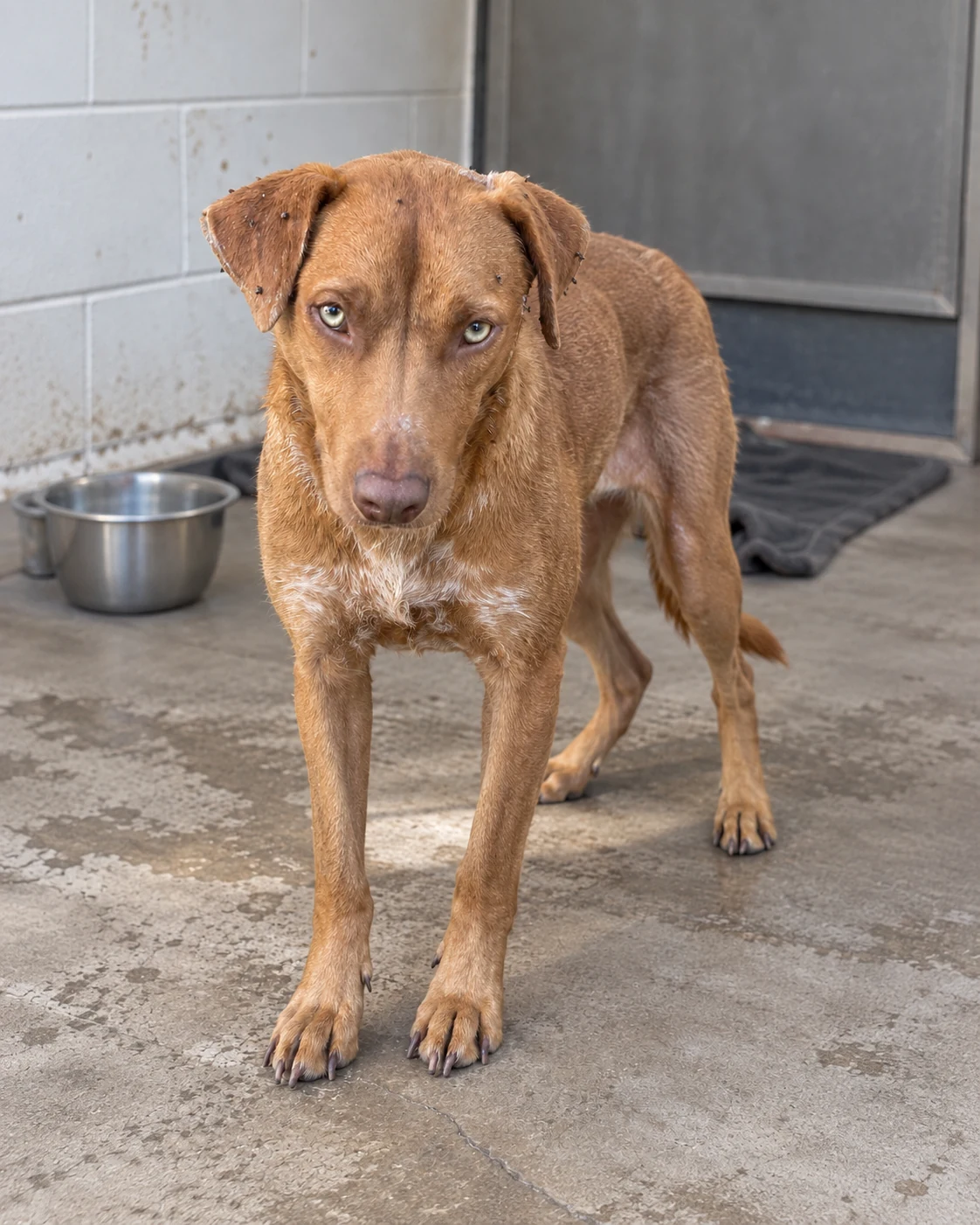
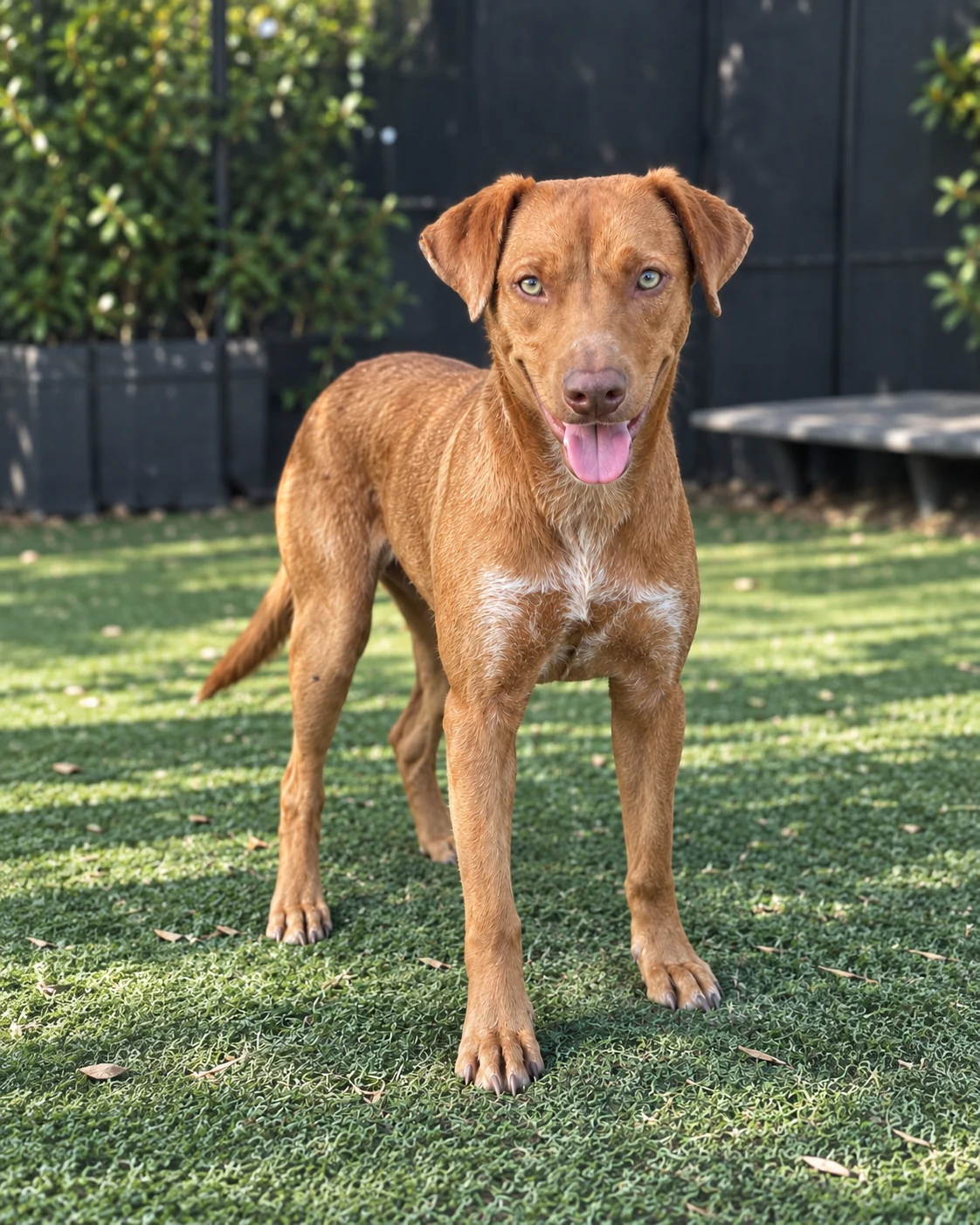
Fabiana came off the street on a hip that had already failed her, bone grinding on bone with every step. Untreated, that is not an injury, it is a sentence: pain that deepens every year, for all the years a young dog has left. One surgery ended it, the first case Asylon’s medical fund has ever carried. The hip that was going to cost her ten years will carry her through them instead.

We don’t just fund rescues. We rescue funding.

Years spent funding rescue made one thing clear: more money matters, but better deployment can make the same resources go further.

With each partner, we establish clear strategic goals and fund against those priorities. Firsthand rescue experience keeps that structure grounded in the realities of the work, so capital can reach further without compromising the care any dog needs.

01

Proven work. Room to do more.

We assess a rescue’s work and its ability to put additional support to use. That helps us direct funding toward capable organizations where resources can make a meaningful difference to the dogs they serve.

02

Set clear goals together.

We agree with each partner what the funding is intended to accomplish, then deploy grants against those priorities.

03

Stay close enough to respond.

Ongoing contact means a partner can raise a new need with someone who already understands its work. That shared context helps focus the conversation on what is needed now and how funding could help.

04

Keep care at the centre.

Firsthand rescue experience helps us judge changing needs in context, so funding decisions support the care each dog needs.

For dogs

Support for care that reflects their needs, from immediate treatment to a more stable future.

For rescues

A funding partner who understands the work and helps create the conditions to do more of it.

For donors

Informed selection, ongoing oversight, and a clearer view of what their support helps make possible.

Clear goals. Measured progress. Better outcomes.

We track progress against the goals behind each grant, then look at the results in context. Data gives us accountability. Rescue experience helps us understand what the numbers cannot. Together, they show us what is working, where support may be needed, and how to deploy capital more effectively over time.

01

Select proven partners

02

Agree strategic goals

03

Fund those priorities

04

Support rescue and care

05

Measure progress in context

06

Build understanding over time

01

Select proven partners

02

Agree strategic goals

03

Fund those priorities

04

Support rescue and care

05

Measure progress in context

06

Build understanding over time

Asylon selects proven rescue partners, agrees strategic goals, funds those priorities, supports rescue and care, measures progress in context, and builds understanding over time. Learning informs how capital is deployed over time; it does not automatically determine the next monthly allocation.

Questions about funding and care.

Your support goes to Asylon, which funds selected rescue organizations. Those partners carry out the rescue work and care for the dogs. Asylon stays involved and tracks progress against the goals behind each grant.

Support can help cover veterinary examinations, diagnostics, surgery, medication, foster care, transport, and recovery needs. The care varies by dog and partner. We work with rescues to understand where funding is needed and how it can help.

We stay in contact with our existing rescue partners as needs change. Additional support depends on the circumstances of the case and the resources available.

Email us about your organization, the dogs you serve, and what additional support could make possible. That gives us a starting point for understanding your work and exploring whether there may be a fit.

Introduce your rescue

Every dog deserves
a life
they never
need rescuing from.

Ten rescued dogs standing together in a line.